Earn While You Learn
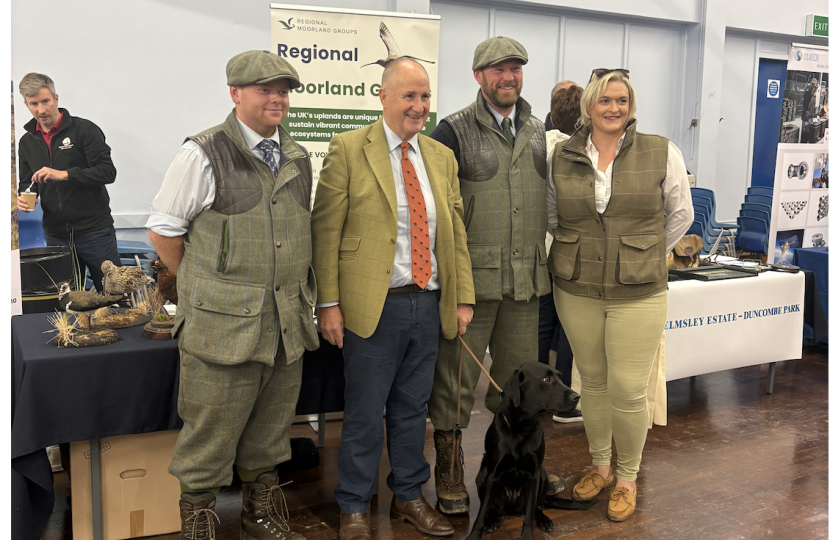
Later today, Thirsk School Hall will fill with employers and young people for my annual Apprenticeship Fair. Engineering firms, food producers, care providers, IT companies and the council will all be there, looking for the next cohort of driven young people. For some of the teenagers walking through the door, it may well be the first step into the world of work. But for too many young people across our country, that first step never comes.
I make no apology for being fervent about work. I started work as a boy delivering milk on the morning round, and years later I built a successful business of my own. Along the way I saw time and again what a first job does for a young person. It brings routine, confidence, friendships and the quiet pride of a wage you have earned through hard work. Here in Yorkshire, we have always understood that. Hard work isn’t something to be endured. It is where much of the meaning in people’s lives can come from.
Round here, that first rung on the job ladder is often closer to home. A summer behind the counter of a Filey chippy, mucking out at a racing yard in Malton, helping at lambing time on a family farm, or washing up in a pub in York. Jobs like these taught generations of us to turn up on time, talk to customers and take pride in doing something well. But those first rungs are getting harder to reach, squeezed by higher taxes on jobs and more red tape. That is why I have been campaigning to save the summer job.
That is also why one figure troubles me more than almost any other. Around a million young people across the country are not in education, employment or training. Behind that number are a million individual stories of young people with talent and potential, stuck at home and in some cases causing trouble, losing confidence with every month that passes. A poor start in life can follow someone for years. And the cost doesn’t stop with them. Every young person written off is a tragedy first and foremost, and a cost to the taxpayer and a loss to businesses crying out for staff.
The broader situation is shifting too. Artificial intelligence is changing the jobs market quickly, and many of the jobs that may first be automated are the entry-level roles where young people have traditionally got a foot on the ladder. The next couple of years could be especially tough for school and college leavers. We cannot simply hope it sorts itself out.
So, what are we going to do about it? I believe the answer is compassionate tough love: making it easier for employers to take young people on and expecting young people who can work to take up the opportunities offered.
First, make it cheaper to take young people on. Labour’s rise in employer National Insurance has made every new hire more expensive. We would halve it for 21 to 24-year-olds, easing the cliff edge employers hit on a young person’s 21st birthday and helping create tens of thousands of jobs by the end of the decade.
Second, back apprenticeships properly. They let young people earn while they learn and build a career without a mountain of debt. We would create 100,000 more for 18 to 21-year-olds, with training fully funded and up to £5,000 for every employer who takes on a British apprentice. We would pay for it by ending funding for degrees that don’t improve young people’s prospects. The Government’s scheme offers less than half that incentive. Today’s fair shows the appetite among local employers is there. We should be backing it.
Lastly, we must end the drift into welfare. Far too often, a young person can leave school or college and go straight onto benefits without ever having held down a job. That is wrong and does them no favours. Under our Get to Work programme, young people who are able to work would still be supported, but with something asked in return: turning up every day, building skills, gaining work experience and getting ready for interviews. Those with health problems or caring responsibilities would be protected.
Some may call that harsh. I disagree. What is genuinely unkind is a system that lets a young person drift, with nothing expected of them, and calls that support. Structure, purpose and the expectation of effort are what most of us needed at that age. They are what our young people deserve too.
Readers of my contributions to this publication will know I keep asking who is going to pay the bill. So let me answer it for our own plans. Every pledge here is paid for through our £71 billion Savings Plan, which also puts half towards cutting the deficit.
Somewhere in Thirsk School Hall this afternoon, a young person may have a conversation that changes the course of their working life. Our job is to make sure far more of them get that chance. Getting our young people into work isn’t just good economics. It’s the Yorkshire way.